



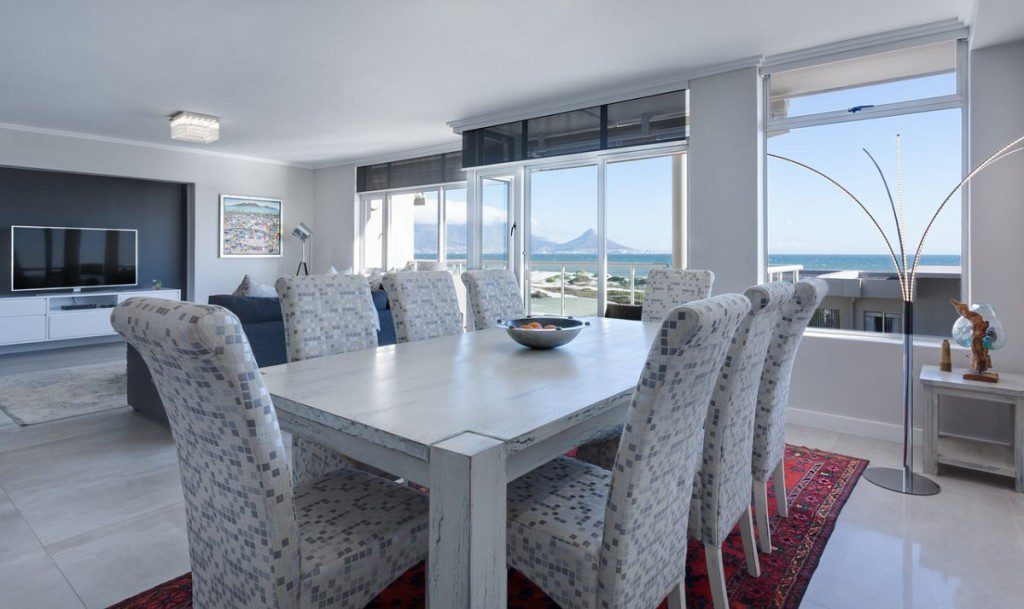
A dining room makeover can move quickly once painting and decorating begin. A handmade table follows a different schedule, especially when the maker needs your dimensions and finish choices before starting. The best time to order is after the room layout is settled, but early enough for the maker’s production and delivery estimates to fit your plans.
That does not mean choosing a table before making any other decisions. It means getting the important measurements and specifications ready before the rest of the project runs ahead.
Start with the room layout
Before asking for an order date, work out where the table will sit and how the room will function. Consider everyday meals as well as occasional gatherings. A table that accommodates holiday guests still needs to work comfortably on an ordinary Tuesday.
Measure the room, then mark the proposed tabletop outline with painter’s tape. Add chairs, or use existing ones to test the arrangement. Pull a chair out, walk behind it, and open nearby cabinets and doors. Include any sideboard that will remain in the room.
If the makeover changes a doorway, adds built-in storage, or alters the floor plan, settle those details before approving the table’s dimensions. A maker can work from a clear plan; changing measurements after production begins may require a revised order.
Ask about timing before setting the reveal date
There is no single production window that applies to every handmade table. The design, available materials, finish, and maker’s workload can affect the schedule. Ask for the current estimate for the particular table you want, not a general estimate remembered from an earlier visit.
Clarify what starts that timeline. It might be payment, approval of a drawing, or confirmation of the final specifications. Also ask whether the estimate covers production alone or includes delivery to your address.
Work backward from the day you hope to use the room. Allow time for the quoted build period, transport, and delivery arrangements, with some flexibility between arrival and an important gathering. If the schedule is tight, discuss the date before placing the order rather than assuming the table can arrive by then.
Choose the table before finalizing decorative details
The table’s size and shape influence chair placement, rug proportions, and the position of an overhead light. Its finish also gives you a useful reference when comparing paint, fabric, and other wood furniture.
Browsing handmade tables for the dining room can help narrow the options before you commit to those surrounding purchases. Look at the base as well as the top. Leg placement affects where chairs can tuck in, while a pedestal or trestle changes the space available underneath.
You do not need to buy every accessory at once. Settle the table’s main specifications first, then keep a record of them as you choose the rest of the room. This makes coordination easier without requiring all the furniture to match.
Approve samples and specifications together
Allow time for finish selection before the order moves into production. If samples are available, view them in the dining room beside the flooring and any furniture you are keeping. Check them during daylight and under the lights used at dinner.
A sample helps communicate the intended finish, but individual boards can vary in grain and color. Ask the maker how those natural differences appear across a complete tabletop, especially if you are trying to coordinate with an existing piece.
Confirm the dimensions, wood selection, finish, base design, and any special requests in one written record. If the tabletop and base use different finishes, identify each separately. Ask when changes can still be made and what happens if a request comes after approval. Resolving those questions early helps keep the schedule understandable.
Keep delivery separate from messy work
Ordering early does not mean bringing the table into an unfinished room. Plan for painting, flooring, and dusty work to be completed before delivery whenever possible.
Ask the flooring installer or finish manufacturer when the surface will be ready for furniture. Dry-looking paint or flooring is not, by itself, a reliable signal that the room is ready for heavy items. Use the guidance for the actual materials involved.
Meanwhile, confirm access. Measure doorways, hallways, stairs, and tight turns along the delivery route. Ask whether the table arrives assembled and whether any components are fitted inside the room. Share access details with the seller before delivery is booked so the service can be arranged appropriately.
As completion approaches, check who will contact you to arrange delivery and what the service includes. Curbside delivery, room placement, and assembly are different arrangements; knowing which one you have lets you prepare the right help and space.
Clear the route and leave the dining area accessible. Keep the order details handy, and ask for the table’s care instructions so its first week in the room starts well.
The right ordering moment comes between settling the layout and finishing the makeover. Measure first, confirm the maker’s schedule, approve the details, and coordinate arrival with the work at home. That sequence gives both the table and the room the attention they need.